The Science and Strategy Behind Reverse Lookup Fake News Verification
False claims travel fast. A viral image appears on social media. A dramatic video spreads across messaging groups. A suspicious headline gains traction within hours. You pause and wonder if it is real. That hesitation is where reverse lookup fake news verification begins.
People search for verification because trust feels fragile. A photo might look convincing yet something feels wrong. A news site may resemble a major publication yet its domain looks slightly altered. Content creators edit headlines. Bots amplify narratives. Manipulated media blends into authentic reporting. The result is confusion.
Reverse lookup fake news verification addresses this confusion with structured investigation. It is not guesswork. It is digital forensics applied to everyday media. This approach examines origin signals. It studies metadata. It checks publication history. It compares image footprints across the web. When done properly it separates recycled misinformation from authentic journalism.
Understanding Reverse Lookup in the Context of Misinformation
Reverse lookup refers to a process where an existing digital element such as an image video snippet phone number or domain name is traced back to its origin. In fake news verification the method identifies the first appearance of content and reveals its context.
An image reverse search checks where else that image has appeared. A video frame extraction allows comparison against older uploads. A domain reverse lookup reveals who registered a suspicious news website and when. Each data point builds a credibility profile.
Misinformation often relies on recycled content. A photo from a natural disaster years ago resurfaces during a new crisis. A protest image from one country is labeled as another. Reverse lookup exposes these manipulations by mapping historical appearances.
Why Reverse Lookup Fake News Verification Matters
False narratives thrive on emotional triggers. Visual content strengthens belief because images feel immediate and real. A person who sees a shocking image may share it before verifying context.
Reverse lookup fake news verification slows that reaction. It transforms impulse into investigation. When a viral image is traced to an unrelated event from five years earlier credibility collapses.
Journalists rely on similar techniques during breaking news events. Investigative reporters cross reference timestamps compare geolocation clues and verify social media handles. The same discipline can be applied by digital citizens who want to protect their information environment.
How Misinformation Exploits Visual Authority
Images create cognitive shortcuts. The brain processes visuals faster than text. A dramatic scene seems self explanatory even if its caption is false.
Manipulators exploit this bias. Cropped frames remove context. Edited captions alter narrative. Deepfake technology alters facial expressions and voice patterns. Reverse lookup fake news verification counters this by analyzing original uploads and detecting version history patterns.
Digital fingerprints remain even when captions change. An identical image uploaded years earlier under a different story reveals manipulation. This forensic logic underpins reverse search strategies.
Core Techniques in Reverse Lookup Fake News Verification
Verification is multi layered. It rarely depends on a single signal. Investigators combine technical methods with contextual reasoning.
Image Reverse Search Analysis
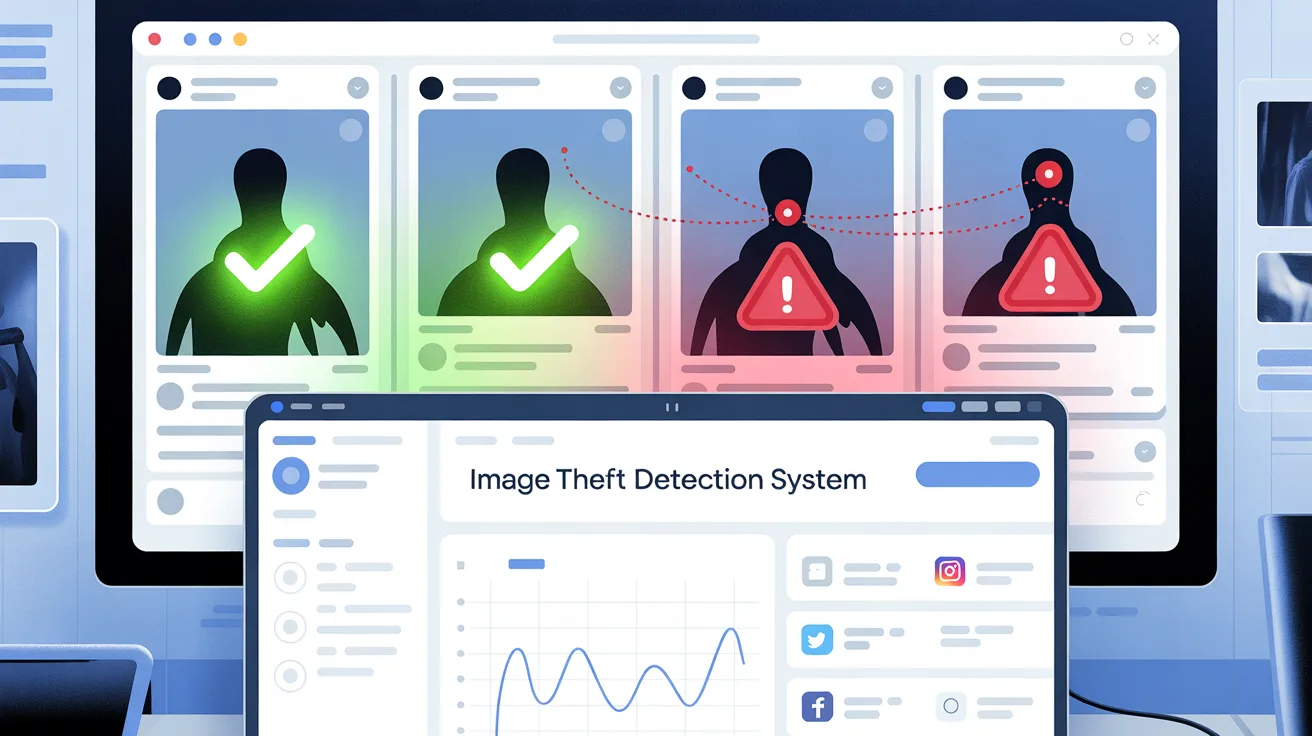
Image reverse search engines compare pixel structures. Even resized images retain identifiable patterns. Investigators upload the image or paste its URL. The system returns similar instances.
Historical appearances reveal timeline inconsistencies. If an image claimed to show a recent event appears in archives from a different year the claim collapses.
Cropping detection is another layer. Misinformation often crops out contextual details. Finding the full original version restores lost information.
Video Frame Extraction and Comparison
Videos are more complex. Reverse lookup fake news verification begins by extracting key frames. These still images are then analyzed through image search systems.
Audio can also provide clues. Accents environmental sounds and background language may conflict with the claimed location. Frame by frame review exposes editing artifacts.
Platform upload timestamps matter. If a video claimed to be live during an event appears in platform archives from months earlier credibility weakens.
Domain and Website Reverse Lookup
Fake news websites mimic trusted outlets. Slight spelling changes in domain names create deceptive impressions.
Domain reverse lookup tools reveal registration date ownership details and hosting location. A domain created days before a viral story signals caution. Hidden ownership patterns suggest coordinated networks.
Content structure also reveals patterns. Repeated sensational headlines lack editorial transparency. Reverse lookup fake news verification cross references the domain with historical records and reputation databases.
Metadata Inspection and Digital Footprints
Metadata contains embedded details such as creation date camera model and sometimes GPS coordinates. Social platforms may strip some metadata yet cached versions or original uploads can preserve traces.
Inconsistencies between claimed event date and metadata timestamp indicate manipulation. Investigators compare metadata with weather records shadow angles and known landmarks to validate authenticity.
Digital footprints extend beyond metadata. Social media handle history reveals whether an account existed long before a breaking event or emerged suddenly.
Psychology Behind Fake News Spread and the Role of Verification
Reverse lookup fake news verification is technical but its impact is psychological. People share stories aligned with beliefs. Emotional headlines bypass analytical thinking.
Verification disrupts that emotional momentum. It introduces friction. When users see evidence that a viral image is outdated they reconsider sharing.
Cognitive bias such as confirmation bias strengthens misinformation cycles. Reverse lookup challenges bias by presenting objective data points. Authentic journalism values verification precisely because unchecked narratives damage public trust.
Workflow for Applying Reverse Lookup Fake News Verification
Professional verification follows a structured flow. The process moves from surface level observation to deeper technical inspection.
Initial review focuses on visual cues. Does lighting match location claims. Do uniforms reflect the country mentioned. Are there recognizable landmarks.
Second stage involves reverse image search. Upload and compare results. Identify the earliest indexed appearance.
Third stage inspects domain credibility. Review registration age hosting patterns and publication consistency.
Fourth stage evaluates metadata and contextual alignment. Cross check event dates with independent reporting timelines.
The final assessment synthesizes findings. No single indicator proves authenticity. Pattern analysis determines reliability.
Common Manipulation Patterns Detected Through Reverse Lookup
Misinformation creators repeat certain tactics. Reverse lookup fake news verification exposes these patterns with consistency.
Recycled disaster imagery frequently resurfaces during new crises. Stock photos are presented as eyewitness captures. Protest images from one nation are relabeled as another.
Misleading graphs are cropped to remove axis labels. Infographics use fabricated statistics. Reverse lookup of the graphic design often reveals earlier non related contexts.
Deepfake videos introduce synthetic speech. Audio waveform analysis can reveal irregularities. Comparing frame artifacts across uploads identifies editing layers.
Comparative Table of Reverse Lookup Techniques
| Verification Technique | Primary Use Case | Key Indicator of Manipulation | Supporting Evidence Type |
|---|---|---|---|
| Image Reverse Search | Viral photos | Older publication date | Archived image results |
| Video Frame Analysis | Breaking event clips | Mismatched timestamps | Platform upload history |
| Domain Reverse Lookup | Suspicious news sites | Recent domain creation | WHOIS data |
| Metadata Inspection | Original media files | Timestamp inconsistency | Embedded file data |
| Social Account Review | Source credibility | Newly created account | Account activity timeline |
This table demonstrates how layered verification builds confidence in conclusions. Each technique addresses a different manipulation vector.
Advanced Signals in Reverse Lookup Fake News Verification
Experienced investigators look beyond surface matches. They analyze shadow direction to estimate time of day. They compare weather conditions in the image with historical meteorological data.
Geolocation plays a major role. Street signs architecture and landscape features provide regional clues. Satellite imagery comparison can confirm if buildings align with claims.
Network analysis reveals coordinated misinformation campaigns. If multiple sites publish identical content within minutes domain clustering suggests automation.
Pattern recognition grows with experience. The more examples one studies the easier it becomes to identify anomalies.
Challenges in Reverse Lookup Fake News Verification
Manipulators adapt. Image modifications reduce search accuracy. Artificial intelligence generates new images that lack historical footprints.
Metadata stripping complicates analysis. Social platforms compress and reencode files removing embedded details.
Language barriers also limit verification. Local context knowledge improves accuracy. A sign written in a regional dialect can validate or contradict a narrative.
Speed remains a challenge. Misinformation spreads rapidly. Verification requires time. Balancing urgency with thoroughness defines responsible practice.
Ethical Dimensions of Verification
Reverse lookup fake news verification carries responsibility. Public accusations of falsehood require evidence. Mislabeling authentic content damages credibility.
Transparency strengthens trust. Explaining how verification was conducted invites scrutiny and builds authority.
Digital literacy education encourages wider adoption of verification methods. When communities understand reverse lookup logic misinformation loses influence.
Integration with Fact Checking Ecosystems
Fact checking organizations integrate reverse lookup fake news verification into newsroom workflows. Analysts document search results archive links and preserve screenshots.
Collaboration enhances accuracy. Cross border investigations compare findings across regions. Shared databases track recurring misinformation assets.
Technology companies refine search algorithms to detect manipulated media. Artificial intelligence assists but human judgment remains critical.
The Future of Reverse Lookup Fake News Verification
Synthetic media growth increases complexity. AI generated visuals challenge traditional reverse search because they may lack prior publication history.
New detection methods analyze generative artifacts such as texture irregularities and lighting inconsistencies. Machine learning models identify synthetic patterns invisible to the naked eye.
Blockchain based content authentication systems may embed origin verification at the moment of capture. Such developments could reshape verification standards.
Despite technological evolution core principles remain stable. Trace origin. Verify timeline. Compare context. Analyze patterns.
Frequently Asked Questions
What is reverse lookup fake news verification in simple terms
It is the process of tracing digital content back to its original source to confirm whether it is being presented truthfully or misleadingly.
Can reverse image search detect edited photos
It can identify earlier versions of an image. Heavy edits may reduce detection accuracy yet structural similarities often remain detectable.
How does domain reverse lookup expose fake news sites
It reveals registration dates ownership patterns and hosting data which can signal newly created or suspicious networks.
Is metadata always reliable for verification
Metadata can be altered or removed. It provides clues but must be combined with contextual analysis for accurate conclusions.
Do deepfakes bypass reverse lookup systems
Some advanced deepfakes lack historical records. Investigators rely on artifact detection and contextual inconsistencies in such cases.
Can ordinary users perform reverse lookup fake news verification
Yes. Many verification tools are publicly accessible. Applying structured reasoning and patience increases reliability.
A Closing Reflection on Digital Accountability
Reverse lookup fake news verification represents a discipline rather than a quick trick. It blends technical inquiry with critical reasoning. Each verified claim strengthens public discourse.
Information ecosystems thrive when accuracy outweighs virality. Verification does not eliminate misinformation yet it reduces its impact. Every traced image and examined domain contributes to a culture where truth demands evidence.
The responsibility extends beyond journalists. Digital citizens influence narrative momentum through sharing behavior. When verification becomes habitual misinformation loses its advantage.
Reverse lookup fake news verification is not about suspicion. It is about evidence. Evidence restores clarity.